



hospital bed inflatable mattress
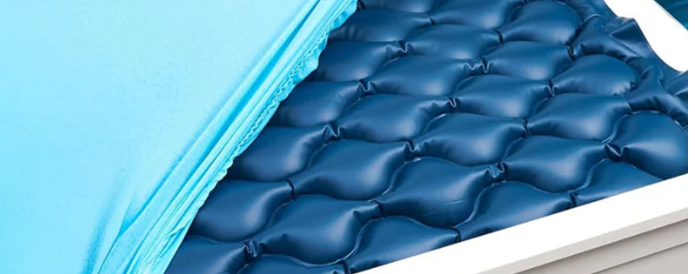
Comprehensive Guide to Hospital Bed Inflatable Mattresses: Intelligent Pressure Relief and Comfort Care for Bedridden Patients
In scenarios of home care, post-surgical rehabilitation, or long-term bed rest, hospital bed inflatable mattresses have become a key tool for preventing pressure ulcers and enhancing patient comfort. Unlike traditional foam hospital mattresses, these mattresses actively alter body pressure points through dynamic air pressure adjustment technology, significantly reducing the risk of skin necrosis caused by continuous compression. They are particularly suitable for the elderly with limited mobility, paralyzed patients, or severe rehabilitation patients who cannot turn over independently.
This article will delve into the working principles, core types, and purchasing points of hospital bed inflatable mattresses, and recommend cost-effective models that are clinically proven reliable and well-received by home users in 2025, helping you choose a truly safe and effective care solution for your loved ones.
Why Are Ordinary Inflatable Mattresses Unsuitable for Medical Use?
Common household inflatable mattresses on the market (such as Intex, SoundAsleep) are comfortable but lack medical-grade pressure redistribution functions. They usually adopt a single-chamber or static multi-chamber design, which remains unchanged once inflated; long-term use can still lead to local tissue ischemia and induce pressure ulcers.
In contrast, hospital bed inflatable mattresses are FDA-certified Class I or II medical devices with the following key features:
Alternating Pressure cycling
Low-pressure alarm and CPR quick deflation
Waterproof and antibacterial surface layer
Compatibility with standard hospital bed sizes (36"×80" or 42"×80")
Clinically proven pressure ulcer prevention effect
These functions make them an indispensable part of professional care.
How Do Hospital Bed Inflatable Mattress Work?
The core principle is to periodically change airbag pressure, allowing different parts of the body to “rest” in turns. A typical system includes:
Air pump host: Controls the inflation/deflation rhythm, usually adjustable in cycle (e.g., 5–10 minutes/cycle) and firmness.
Multi-airbag mattress: Composed of 10–130 independent air chambers, inflated alternately in groups (e.g., Group A inflates while Group B deflates).
Intelligent monitoring: High-end models are equipped with pressure sensors that automatically adjust to match the patient’s weight.
This “dynamic support” can effectively promote blood circulation and reduce the risk of pressure ulcers by up to 60% (according to research in the Journal of Wound Care).
Two Mainstream Types: Alternating vs. Low Air Loss
1. Alternating Pressure Air Mattress
The most common and cost-effective medical inflatable solution. It achieves pressure transfer by having the left/right or front/back airbags inflate alternately via an air pump.
Suitable for: Patients at medium to high risk of pressure ulcers, post-surgical bedridden patients, diabetic foot patients Advantages: Moderate price ($300–$600), simple operation, family-friendly Representative brands: Medline, Drive Medical, Vive Health
2. Low Air Loss Mattress
A high-end medical-grade system. The airbag surface has micropores that continuously release a small amount of air, forming an “air float layer” between the patient and the mattress to reduce friction, shear force, and control skin humidity.
Suitable for: Patients with existing stage III–IV pressure ulcers, severe edema, or ICU-level care needs Advantages: Ultimate pressure relief, moisture and temperature control, reduced infection risk Disadvantages: High price ($800+), requires continuous power supply, slightly noisy operation Representative brands: Joerns, Hill-Rom (some models)
For most home care scenarios, alternating pressure models are sufficiently effective and economical.
7 Key Criteria for Choosing a Hospital Bed Inflatable Mattress
1. Confirm Compatibility with Hospital Bed Size
Standard home hospital beds are 36 inches wide × 80 inches long (narrow) or 42"×80" (wide). Be sure to measure the inner diameter of your bed frame to avoid purchasing the wrong size.
2. Number of Airbags and Zoned Design
More airbags (≥60) mean more refined pressure distribution
Prioritize models with independent control of head, back, hips, and legs for enhanced comfort
3. Pump Reliability and Quietness
For home use, choose a low-noise (<40 decibels) air pump that supports 24-hour continuous operation. Check for low-pressure alarm (to prevent air leakage) and CPR quick deflation button (3-second emptying in emergencies).
4. Waterproof and Antibacterial Surface Layer
Medical-grade TPU or PVC fabrics must be seamlessly welded and fully wrapped for waterproofing to prevent urine and sweat from seeping in and breeding bacteria. Prioritize products with antibacterial coatings (e.g., silver ions).
5. Weight Capacity
Ensure the mattress supports the patient’s weight. Standard models can bear 300–400 lbs, while widened and reinforced models can support over 500 lbs.
6. Warranty and After-Sales Service
High-quality hospital bed inflatable mattresses should provide at least a 2-year whole machine warranty, and air pump failures should support on-site repair or quick replacement.
7. Possibility of Medical Insurance Reimbursement
In the US, if a doctor issues a prescription certifying “high risk of pressure ulcers,” some alternating pressure mattresses can be reimbursed through Medicare Part B or private insurance (subject to DME supplier qualification requirements).
Highly Rated Hospital Bed Inflatable Mattress Recommendations for 2025
Medline Alternating Pressure Mattress System
Dual-certified for clinical and home use. 130 airbags, 10-minute alternating cycle, with low-pressure alarm and CPR deflation. Waterproof and antibacterial surface layer, compatible with 36"×80" standard beds. Priced at approximately $399, it has been a top 3 seller in Amazon’s medical category for years.
Drive Medical APM Hospital Air Mattress
A cost-effective choice. 60-airbag design, quiet pump (38 decibels), weight capacity of 350 lbs. Comes with a repair kit and storage bag, suitable for families with limited budgets but needing reliable performance.
Vive Health Alternating Pressure Mattress
A user-friendly representative. LED panel displays operating status, three levels of firmness adjustment, and quick-connect trachea design to prevent falling off. A matching fitted sheet is optional, and the overall experience is close to high-end brands, priced at only $349.
Joerns Softform Premier 2000 Low Air Loss (High-End Professional Model)
For patients with severe pressure ulcers or long-term bed rest. The microclimate control system keeps the skin dry, and clinical data supports its therapeutic effectiveness. Although priced over $1,200, it is adopted by many nursing homes.
Home Use and Care Recommendations
Test the entire system before first use: Inflate and let it stand for 2 hours to check for air leakage and proper pump cycling.
Use a dedicated elastic fitted sheet: Avoid wrinkles in ordinary bed sheets that increase friction.
Still turn over regularly: Even with an inflatable mattress, assist in adjusting the body position every 2–4 hours (especially at bony prominences).
Keep the pump ventilated: Do not cover the air pump to prevent overheating and shutdown.
Clean the surface layer: Wipe with a mild disinfectant; do not soak or expose to direct sunlight.
Clarification of Common Misconceptions
“The harder the inflation, the better” → Excessive firmness increases pressure points; adjust to a comfortable firmness that “supports without sinking.” “No need to turn over after use” → Inflatable mattresses are auxiliary tools and cannot completely replace manual care. “All inflatable beds prevent bedsores” → Only medical models with alternating pressure functions have clinically proven preventive effects.
Conclusion
A hospital bed inflatable mattress is technology’s gentle response to fragile lives. It works silently, cycling air pressure every night to protect the most vulnerable skin; it reduces anxiety for caregivers and restores dignity for bedridden patients. Whether you are setting up a home hospital room for elderly parents or preparing a rehabilitation environment for a post-surgical loved one, choosing a proven hospital bed inflatable mattress is the most pragmatic commitment to health.
Because true care lies not only in companionship—but also in the fact that even the nights when he cannot turn over are gently supported by science.
- PRE:best hospital bed mattress
- NEXT:NO